By Michèle · Updated on
Travelling solo in Bali as a woman: safety, transport and where to stay
Is Bali safe for women travelling alone? Yes, with a few habits. On getting around, drinks, evenings, clothing, homestays and the quiet east and north.
In short
- Bali is a safe destination, including for women travelling alone. The biggest risk is the traffic, especially on a scooter.
- Don't accept drinks from strangers, keep an eye on your glass and don't drink arak when you don't know where it comes from.
- Know whose car you get into: your own driver, or a car booked through Grab or Gojek with the trip shared.
- There are few tourists in the east and north. Covering your shoulders and knees is more comfortable there, and you get more curious questions.
Yes, you can travel around Bali alone as a woman without much trouble. Violence against tourists is rare, Balinese people are used to travellers, and the biggest risks are the same as for everyone: the traffic, the sun, the sea and your stomach. With a few habits, and someone you can call, you can travel there at ease.
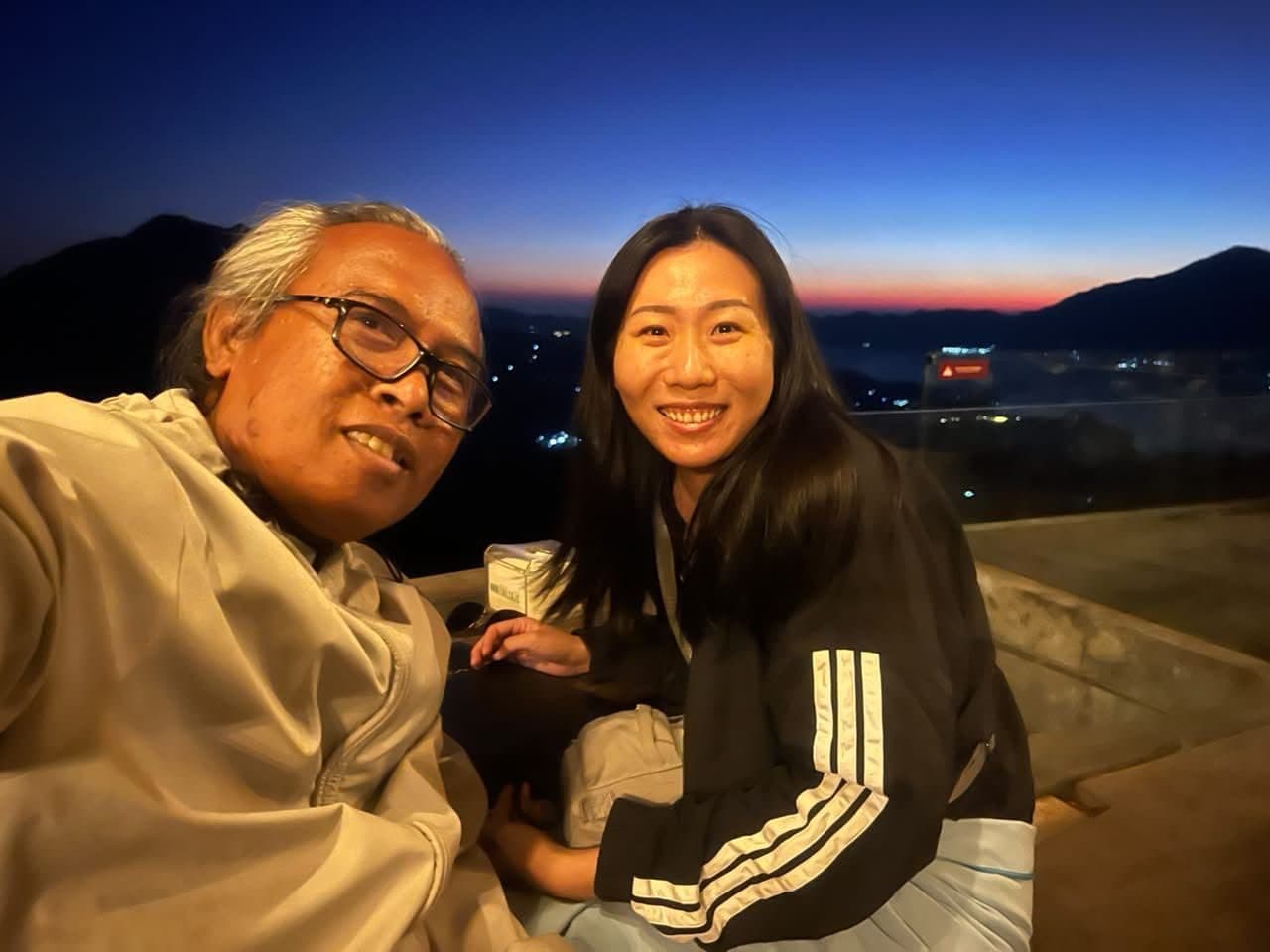
I mostly travel alone myself, and in early 2027 I am spending three months in Sri Lanka, Vietnam, Borneo and Bali. So I know what it feels like to arrive on your own in a country you don't know yet. You want to know whose car you are getting into, where you will sleep and that there is someone you can call when things go wrong. That is what this guide is about. The general story about traffic, the sea and rabies is under Is Bali safe?.
Drinks and nights out
The British government reports drink spiking in Bali, Lombok and the Gili Islands, sometimes followed by sexual assault. The Dutch government warns that drugging mostly happens in a bar or a taxi, and that victims may then be robbed. Don't accept drinks, food or cigarettes from strangers, watch your drink being made and don't leave your glass unattended. Don't go back to the hotel room of someone you have only just met.
A second risk is methanol in spirits, especially in arak, the local rice or palm spirit. You cannot taste or smell it. Only drink spirits in good restaurants and hotels, or stick to beer. If you feel sick or dizzy after drinking, or your vision blurs, go to a clinic straight away. There is more under Food and drink.
Getting around: know whose car you get into
With your own driver you know in advance who is driving. Dek Leonk has been driving travellers around Bali for twenty years and speaks English, Indonesian and Balinese. If he can't make it one day, a colleague he knows personally drives instead, and you hear about it beforehand.
If you use Grab or Gojek, check that the number plate and the driver match the app, and share your trip with someone at home through the app. Don't get in with someone who approaches you in the street and says he drives for an app. In the south, a blue Bluebird taxi with a meter is a good alternative. In the east and north, ride-hailing apps hardly operate; there you need a driver or ask your accommodation to arrange something. There is more under Getting around Bali.
Scooters cause most accidents in Bali, and without a motorcycle licence you are usually not insured. Read what you need to know about renting a scooter first.
In the evening
Outside the south and Ubud, evenings are quiet and many small roads have little street lighting. Bring a torch or use the one on your phone. Don't walk alone along a deserted beach or a remote road, and get a lift back if you eat somewhere late. If you come across stray dogs, walk calmly around them. If you are bitten or scratched, go to a clinic the same day.
Staying with a family
Many homestays in Bali are in a family compound: a few guest rooms next to the house and the family temple. You are not anonymous there. Usually someone from the family is around who knows their way around the village and whom you can ask for a driver or a guide. When you choose, look for a room that locks, reviews by other women who travelled alone, and the distance to somewhere you can eat in the evening. With the Trip plan with stays package, I pick out two or three places to stay for you in each spot.
What do you wear?
In a temple you wear a sarong and a sash and cover your shoulders and knees. By Balinese custom, women who have their period do not enter a temple. Everything about this is under Temples and what to wear. Outside the temples Bali is relaxed: shorts and dresses are normal. Swimwear is for the beach and the pool, not for the village or the warung.
What is different in the east and north?
In Sidemen, Amed, Munduk and Pemuteran you see far fewer tourists. A woman travelling alone stands out more there. People ask dari mana? (where are you from?) and sudah menikah? (are you married?). In Indonesia that is simply polite interest. Belum, not yet, is an answer everyone understands. Clothes that cover your shoulders and knees are more comfortable in the villages, although nobody will say anything. There is little to do in the evening, and kitchens close early. Dek Leonk comes from Karangasem and knows the back roads and the people in the east.
Someone you can call
On the ground, Dek Leonk is your contact. You can also ask questions in the chat on this site: with me in Dutch or English, or with Dek Leonk in English. During the day in Europe you usually get an answer within a few hours; Bali is six or seven hours ahead of the Netherlands. For anything urgent, call Dek Leonk or 112. Let someone at home know where you are staying, and save the numbers of your insurer and your places to stay in your phone.
Frequently asked questions
Is travelling alone in Bali more expensive?
Per person, yes. You pay a driver per car and a room per night, so you carry those costs on your own. In 2026, budget about €50–65 a day for Dek Leonk and about €25–80 a night for a homestay or small hotel. A single room is often only a little cheaper than a double.
How do I meet other travellers on the way?
In Ubud at a cooking class or a yoga class, in Amed and Pemuteran at a dive school or on a snorkelling boat, and in homestays over breakfast. There are fewer travellers in the east and north; there you mostly chat with the family you are staying with.
What do I do in an emergency?
Call 112 for all emergencies, 110 for the police and 118 or 119 for an ambulance. If you travel with Dek Leonk, call him too; he knows where the nearest clinic is. Save the emergency number of your embassy or consulate before you go.
Rather have someone figure it out for you?
Michèle designs your trip around what you want and Dek Leonk drives you around the island. Ask your question in the chat.
You chat with Michèle (Dutch or English) or with Dek Leonk (English). Real people, not a chatbot. During the day in Europe you usually get an answer within a few hours.